

Filaments
Materials explained: what to print with, how to store it, and which spools I trust.
Filament overviews
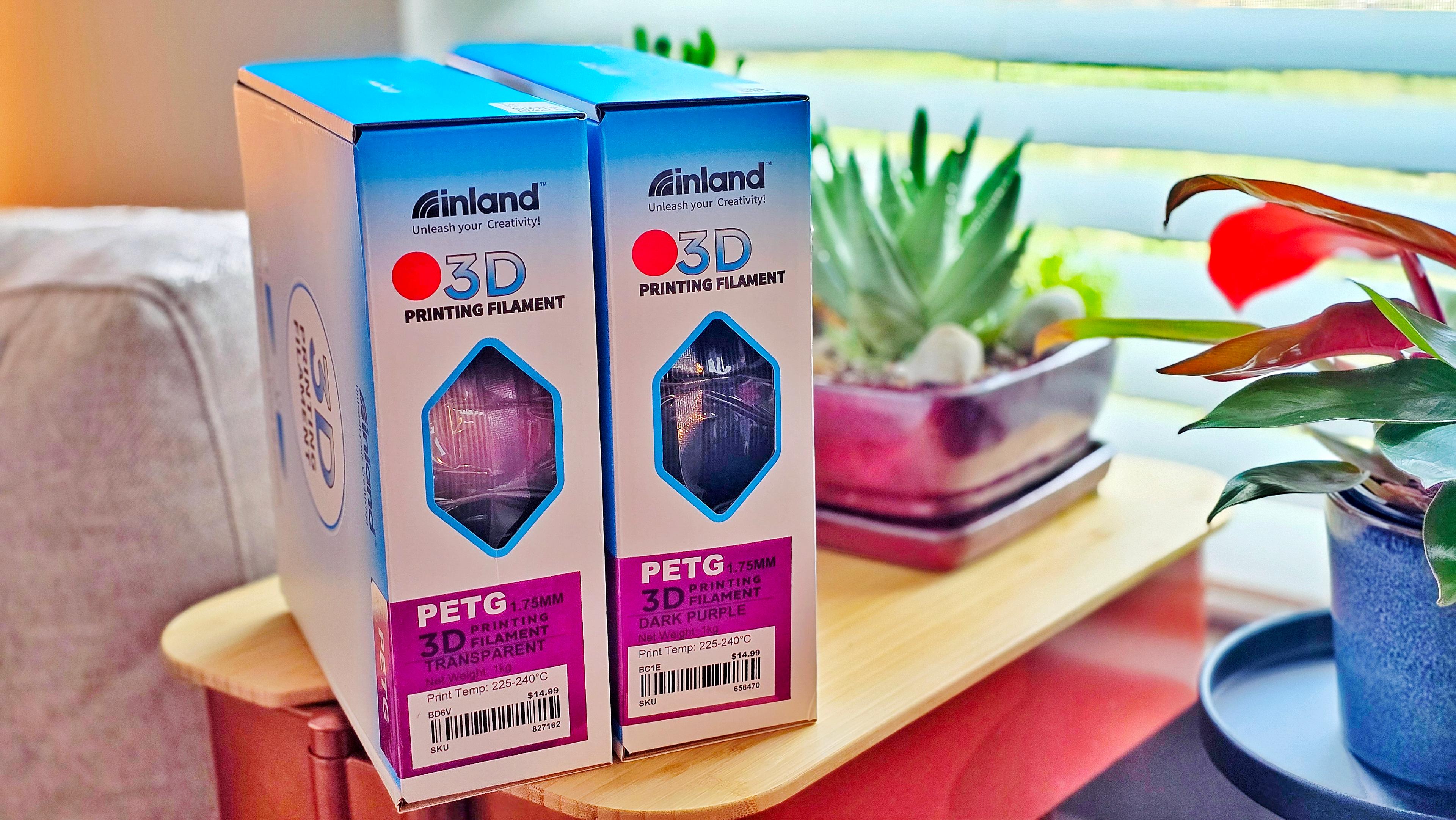
PETG
- PRINT TEMP
- 220–265 °C
- BED TEMP
- 70–85 °C
PETG (polyethylene terephthalate glycol) is the second filament most people try after PLA, and many end up using it just as often. It's related to PET, the plastic used in water bottles, with glycol added to make it easier to print. PETG prints are tougher, more flexible and more heat-resistant than PLA. That makes it a popular choice for functional parts. Unlike ABS or ASA, it also doesn't need an enclosure or strong ventilation. It's fussier to tune and slower to print than PLA, but it's well worth learning to dial in.
READ OVERVIEW →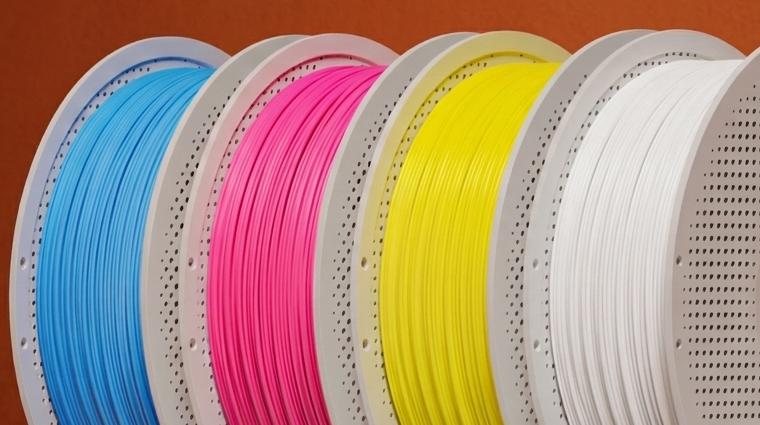
PLA
- PRINT TEMP
- 190–230 °C
- BED TEMP
- 50–60 °C
PLA (polylactic acid) is the most widely used 3D printing filament, and for very good reason. It prints easily, has very little odor, comes in a wide range of colors, and gives consistent results. It’s the usual starting point for beginners and a common choice for many experienced users.
READ OVERVIEW →Nothing here yet — new posts are on the print bed.